Your status is decided by what you plan to do. Identify the actual activity first — visiting, a degree, language training, paid work — then find the status that matches it. Visa-free entry does not by itself permit paid work or full-time study.

Categories by purpose
- Tourism and short visits — visa-free entry or a C-3 short-term visit, depending on nationality. Confirm the permitted stay and the current K-ETA requirement before departure
- Study and training — D-2 for degree programs, D-4 for Korean-language and other non-degree training. Expect an admission letter, academic records and proof of funds; part-time work needs separate permission
- Employment — E-2 for foreign-language instructors, E-7 for designated skilled occupations, with E-1 professors, E-3 researchers, E-4 technical instructors and E-5 licensed professions alongside. Your contract, education and experience have to fit the category
- Long-term residence and family — F-2 residence, F-4 overseas Korean, F-6 marriage migrant, each with its own eligibility and permitted activities
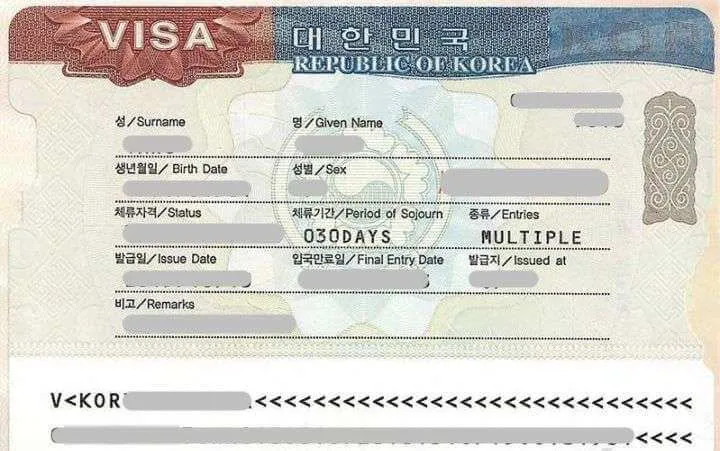
Before you apply
A valid passport, and documents that prove your purpose — admission letter, employment contract, financial evidence, academic and career records. Documents issued abroad may need translation, notarization or an apostille.
If you are already in Korea, check whether an extension or status change is possible before your permitted stay expires, and do not begin an activity your current status does not allow.
What to check now
- Which purpose your actual plan falls under
- What that status permits you to do
- The visa-free and K-ETA position for your nationality
Rules vary by nationality, circumstances and the mission handling your case. Use HiKorea's Visa Navigator and the notices of the relevant Korean mission; inside Korea, call 1345. The category-by-category guide is on the WeBring blog.