Korea's waste separation follows the same big principles nationwide, but the actual rules (days, times, bags, collection) vary by district and neighborhood, which is confusing. Here's how to avoid fines and rejected pickups.
Waste and recycling are among the daily-life topics collected in finding an apartment in Korea. The bag and food-waste basics are in Korean trash separation is so complicated. How do I use volume-rate bags and dispose of food waste?.
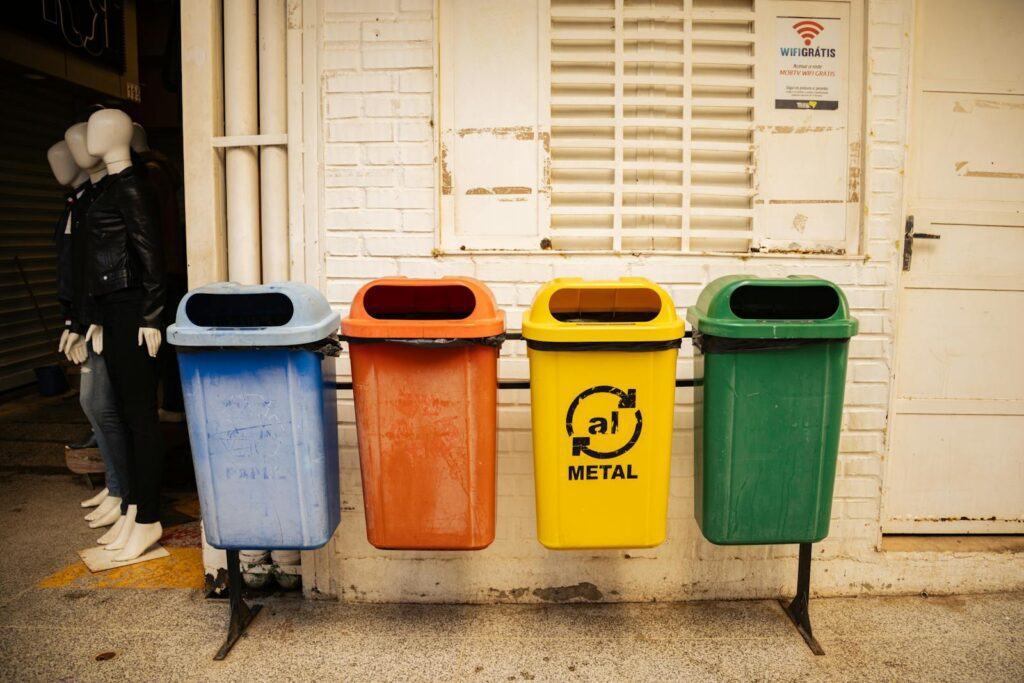
Five household waste types
- General waste: volume-rate bag (paid). Using a regular plastic bag gets it rejected or fined
- Recycling (paper, cans, bottles, plastic): per local rules, mostly free. Don't mix food-soiled items
- Food waste: special bag or RFID meter. No bones, shells, or plastic
- Bulky waste (furniture, mattress): report first and attach a disposal number
- Hazardous/special (fluorescent bulbs, batteries, broken glass): dedicated bins
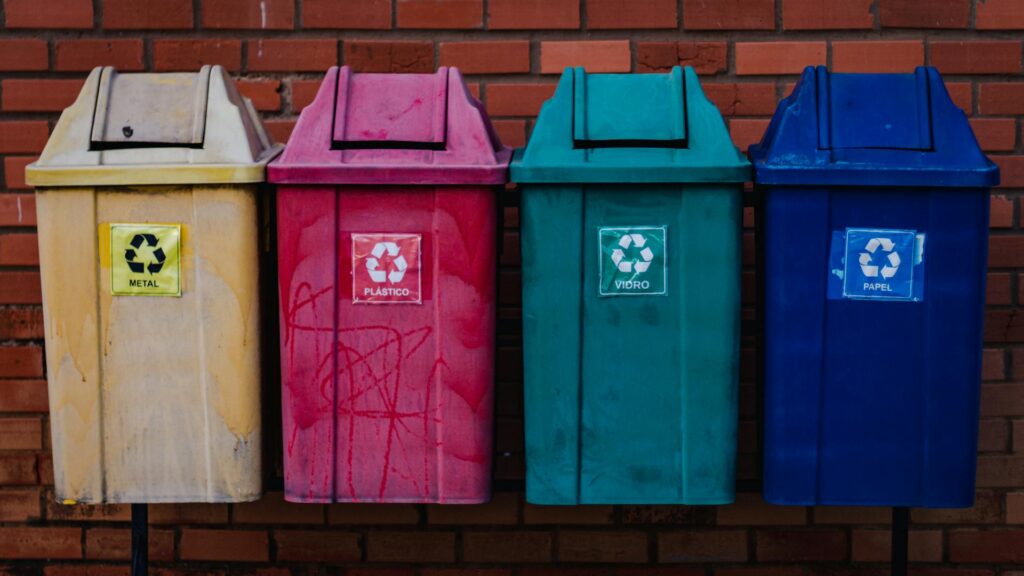
Regional differences
Even within Seoul, disposal times (e.g., 6pm to midnight vs 8pm to midnight) and bag colors and prices differ. Right after moving in, check your neighborhood's rules at the district or community office first.
Full guide to volume-rate bags, fines, and regional differences