What decides a dispute is not who is right but who has the evidence. And which evidence matters depends on the kind of dispute.
This guide belongs to the deposit-and-dispute part of finding an apartment in Korea. If the issue is an unreturned jeonse deposit, see Do Korean tenant protections apply to foreigners when a landlord refuses to return a jeonse deposit?; for getting the deposit back when you leave, see How do I end my apartment lease in Korea and get my full deposit (보증금) back?.
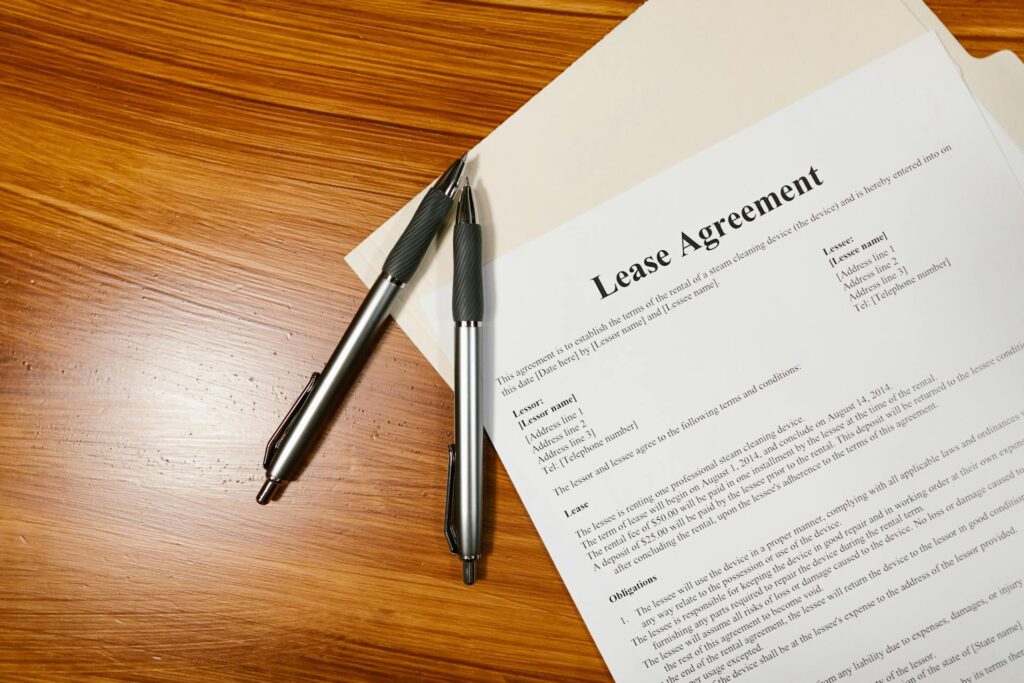
By type
- Deposit return — the contract, move-in photographs, transfer records
- Defects such as mould or leaks — before and after photographs and the repair-request messages
- Termination penalties — the special clauses and the record of notice
- Broken verbal promises — KakaoTalk, text and email screenshots
Notice what they have in common: every one is created before the dispute exists. Photographs taken on move-in day do more work later than anything you can assemble afterwards.

The order to work in
- Narrow it to one dispute — the highest-value issue. Arguing several at once blurs the negotiation
- Organise the evidence chronologically, keep originals, and use a consistent file-naming rule
- If negotiation stalls, use an official body such as the Housing Lease Dispute Mediation Committee
Do this now
- Check whether you still have move-in photographs
- Make repair requests by message rather than phone — it leaves a record
- Keep the contract and the transfer records in one place
Evidence cannot be created once the dispute has started. The detailed response by type is on the WeBring blog.