Decide which form of tenancy you want before you start looking. Deposit and monthly rent trade off against each other in Korea, so the form decides the budget rather than the other way round.

The types, and roughly what they cost
- Jeonse (전세) — a large deposit, tens of millions of won and up, with no monthly rent
- Wolse (월세) — a deposit of 5 to 10 million won plus 500,000 to 1,000,000 won a month
- Goshiwon (고시원) — no deposit, 300,000 to 600,000 won a month
- Share house — a deposit of 1 to 3 million won, 400,000 to 700,000 a month
These are ranges, not quotes. Area, building and fittings move them, so price an actual listing.
Where foreign residents tend to look
- Itaewon and Hannam — an international community, English often spoken
- Hongdae and Hapjeong — young, well connected
- Gangnam and Yeoksam — the tech employers, and expensive
- Mapo and Yeonnam — cafes, more reasonable
- Seongsu — startups
How to search
- Zigbang (zigbang.com)
- Dabang (dabangapp.com)
- Peterpan (peterpanz.com)
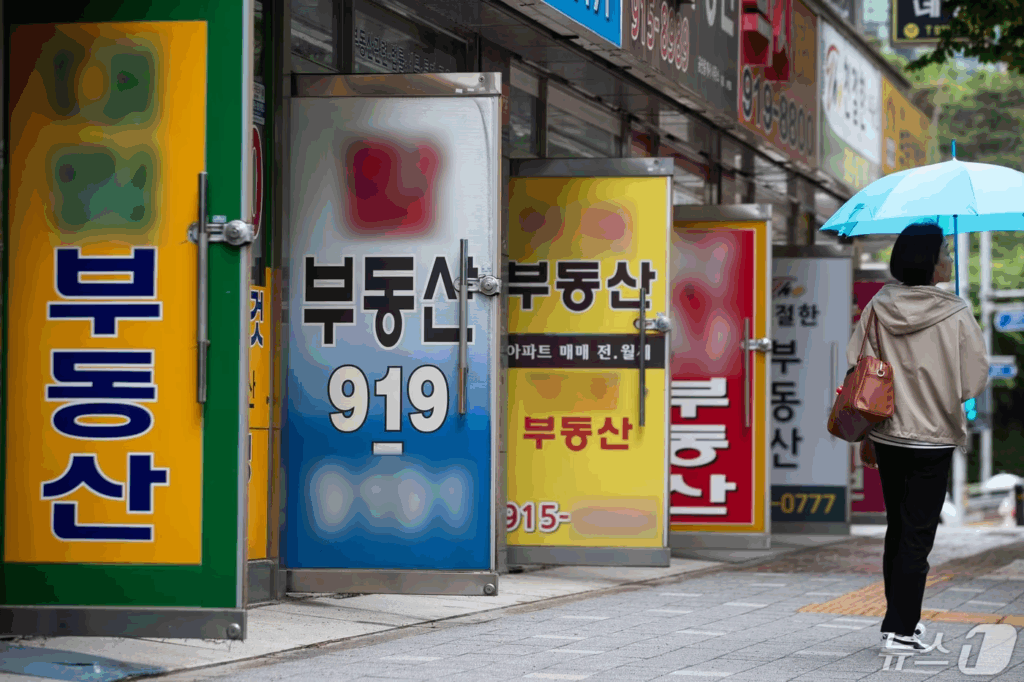
- Walking into a licensed agency
Use the apps only to build a shortlist. Before you visit, ask the agent whether the listing still exists and whether the posted price is current.
What catches people before signing
- Check the property register — who owns it, and what is charged against it
- Agency fee — 0.3 to 0.4% of the monthly rent
- You will need your residence card
- A deposit guarantee is worth taking
Decide before you look
- How much cash you can tie up in a deposit
- Your ceiling on commuting time
- To ask whether maintenance and utilities are included
Protecting the deposit is a separate procedure with its own deadlines, and it is worth reading before you transfer anything.