A traditional market shows a region's present, and the history street next to it shows the city's past. Linking them makes a complete day of eating, walking, and learning. Here are courses in 12 cities nationwide.
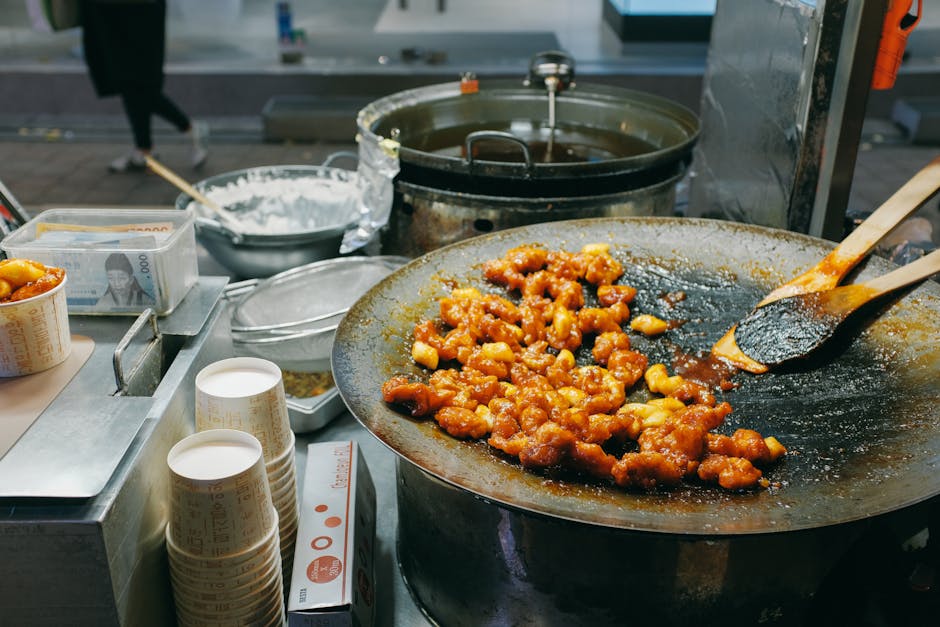
Day-course formula
- Morning to lunch: market snacks plus a light meal (use cash and mobile pay)
- Afternoon: a history-street/site walk plus one cafe (comfortable shoes a must)
- Evening (optional): a night market or night-view spot (check operating days first)
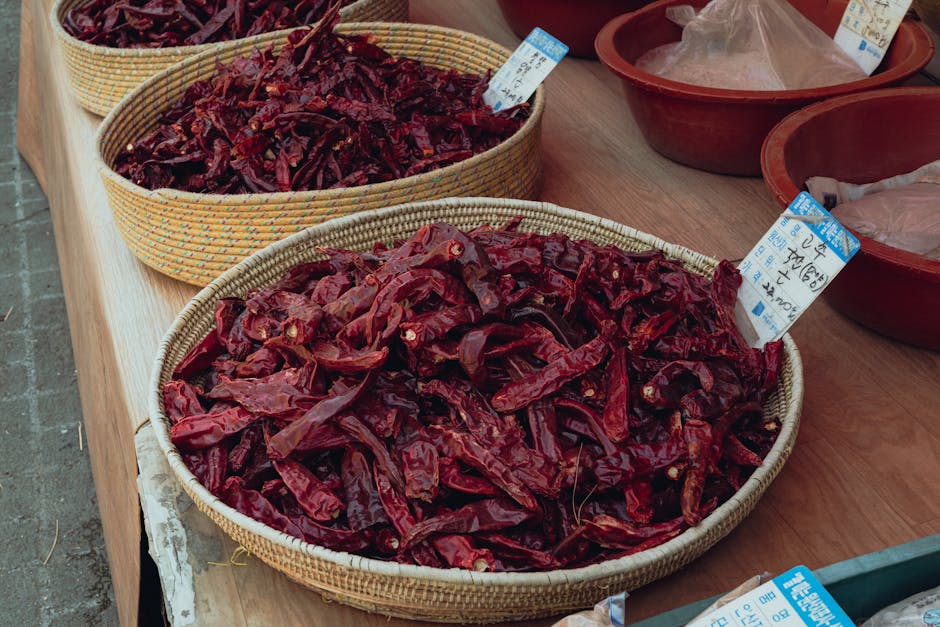
Sample courses
In Seoul's Jongno, go from Gwangjang Market to Jongmyo, Insadong, and the Ikseon-dong hanok street; in Seochon, link Tongin Market (the brass-coin lunchbox) with Seochon Hanok Village and Gyeongbokgung, both easy to explain to foreign companions.
Full guide to 12 market-plus-history-street routes with food