Before building a budget, settle how long you are staying. That one answer very nearly settles used versus new, because depreciation is spread across the time you hold the car.

The shorter the stay, the better used looks
On an exchange or a short assignment — a year or less, driving only occasionally — a new car's depreciation lands on you all at once. A good-value compact or midsize used car wins here.
Stay three years or more with a family and frequent weekend trips and the picture flips: depreciation spreads over several years, and most of them pass inside the manufacturer warranty, typically 3 years/60,000 km or 5 years/100,000 km.
Where the two actually differ
- Used — lower upfront cost, depreciation already absorbed so a smaller resale loss, cheaper insurance and tax. Against that: accident or flood history, repair bills, and a warranty that has usually expired
- New — the warranty, the newest safety features, flawless condition. Against that: a high upfront cost, steep depreciation, and higher tax and insurance
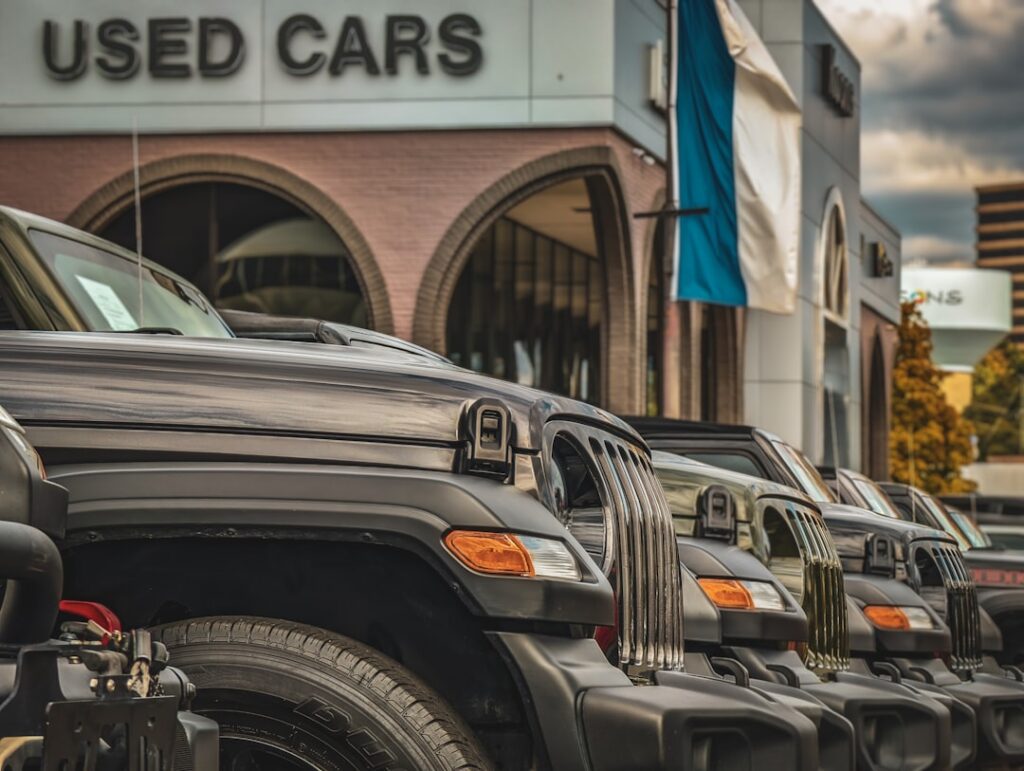
Two cases where used is the wrong answer
First, when a nearly new car — one or two years old — is only 15-20% cheaper than new. At that gap, buy new with the options you want. Second, when your work needs a premium image: a one- or two-year-old certified used import (an E-Class, 5 Series or A6) is the realistic middle path between the two.
Whichever way you go
For a used car, verify the accident history; for a new one, the warranty terms. After that come how you pay and what lands on top of the sticker price — both move the budget more than the choice itself does.
Model-by-model comparisons and budget breakdowns are on the WeBring blog.