Booking a flight eventually forces the choice between the two. Whether the route exists comes first, but where you have a choice, everything after landing changes with it.

What the location decides
- Incheon — on Yeongjong Island, about 50 km from central Seoul, roughly an hour by car. It has Terminals 1 and 2 and by far the most international routes
- Gimpo — on the western edge of Seoul itself, with Subway Line 5 and the Airport Railroad running straight downtown. Mainly domestic, plus some short-haul international routes to Japan and China
Incheon can be reached from anywhere but leaves a journey ahead of you; Gimpo has fewer routes, but getting off the plane puts you essentially in Seoul.
If someone is meeting you, or you book a pickup
Incheon's arrival halls are large and finding your driver takes time. Share your flight number and terminal exactly when you book — the wrong terminal means one more shuttle ride before you start.
Gimpo is small, so meeting up is easy, and the shorter distance makes pickup quotes generally cheaper.
When Seoul is not the destination
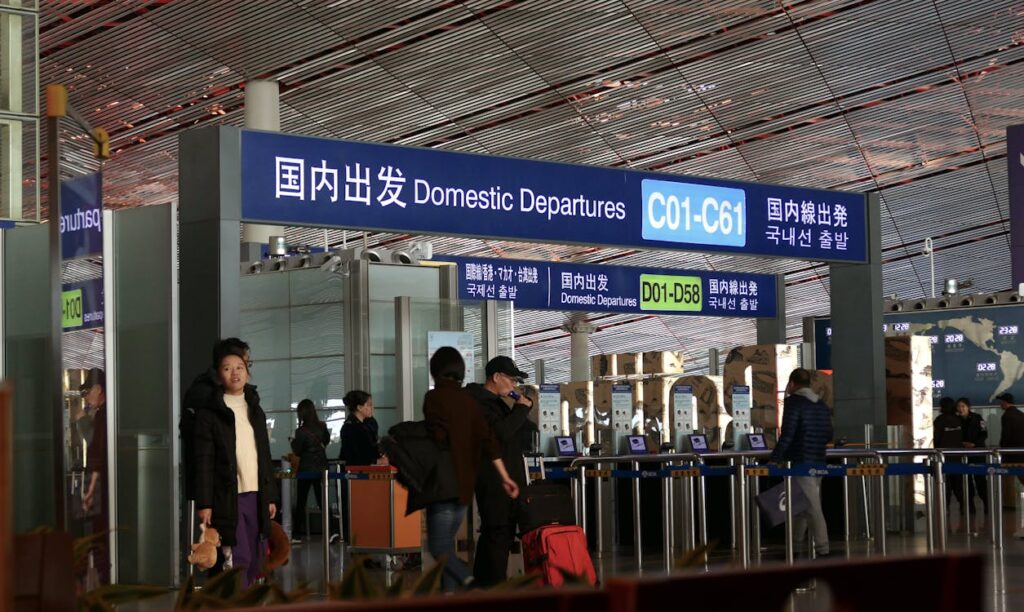
Heading straight to the provinces, Gimpo wins on domestic connections. And landing at Incheon does not close that off: a free shuttle runs between Incheon and Gimpo so you can pick up a domestic flight.
In short
- Choice of international routes — Incheon
- Speed into central Seoul, cheaper pickups — Gimpo
- Onward domestic flights — Gimpo
Once you have landed at Incheon, how you reach Seoul is decided by your luggage and how many of you there are. The train and a pickup differ in both cost and time.
Terminal facilities and current route maps are on the WeBring blog.