Tourists see only the pretty side, but long-term residents play a game of adapting to Korea's everyday systems: administration, contracts, and rules. Even in the same Seoul, tourist mode and resident mode follow completely different rules. Here are the points long-term foreigners agree on most.
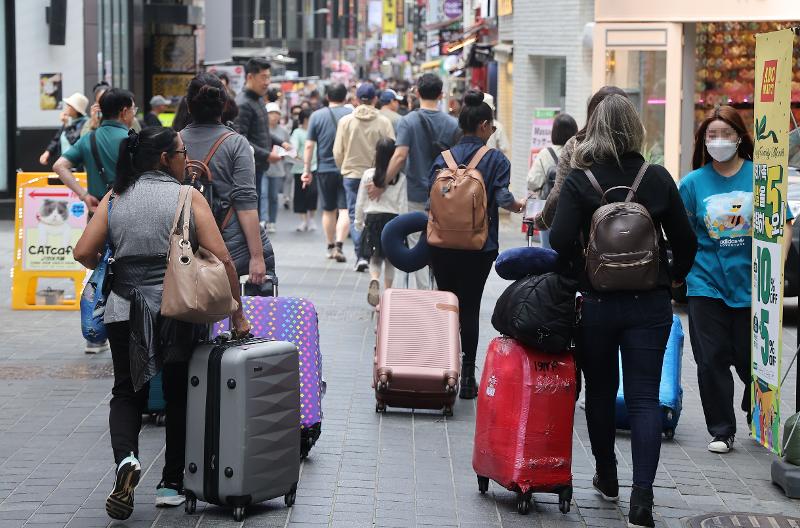
Status and stay: the residence card beats your passport
If you stay more than 90 days, you must register as a foreigner within 90 days of entry, and the Alien Registration Card you receive becomes a more important ID than your passport. When you move, you must file an address change within 15 days, and your visa expiry is not a travel date but a life risk, so always apply for an extension before it lapses.
Numbers to call when you are stuck
- 1345 — immigration and residence help (weekdays 09:00-22:00, Korean, English, Chinese and more)
- 120 Dasan Call — Seoul living and administration help (02-120, foreign-language support)
- 1330 — tourism and travel interpretation (phone and chat)
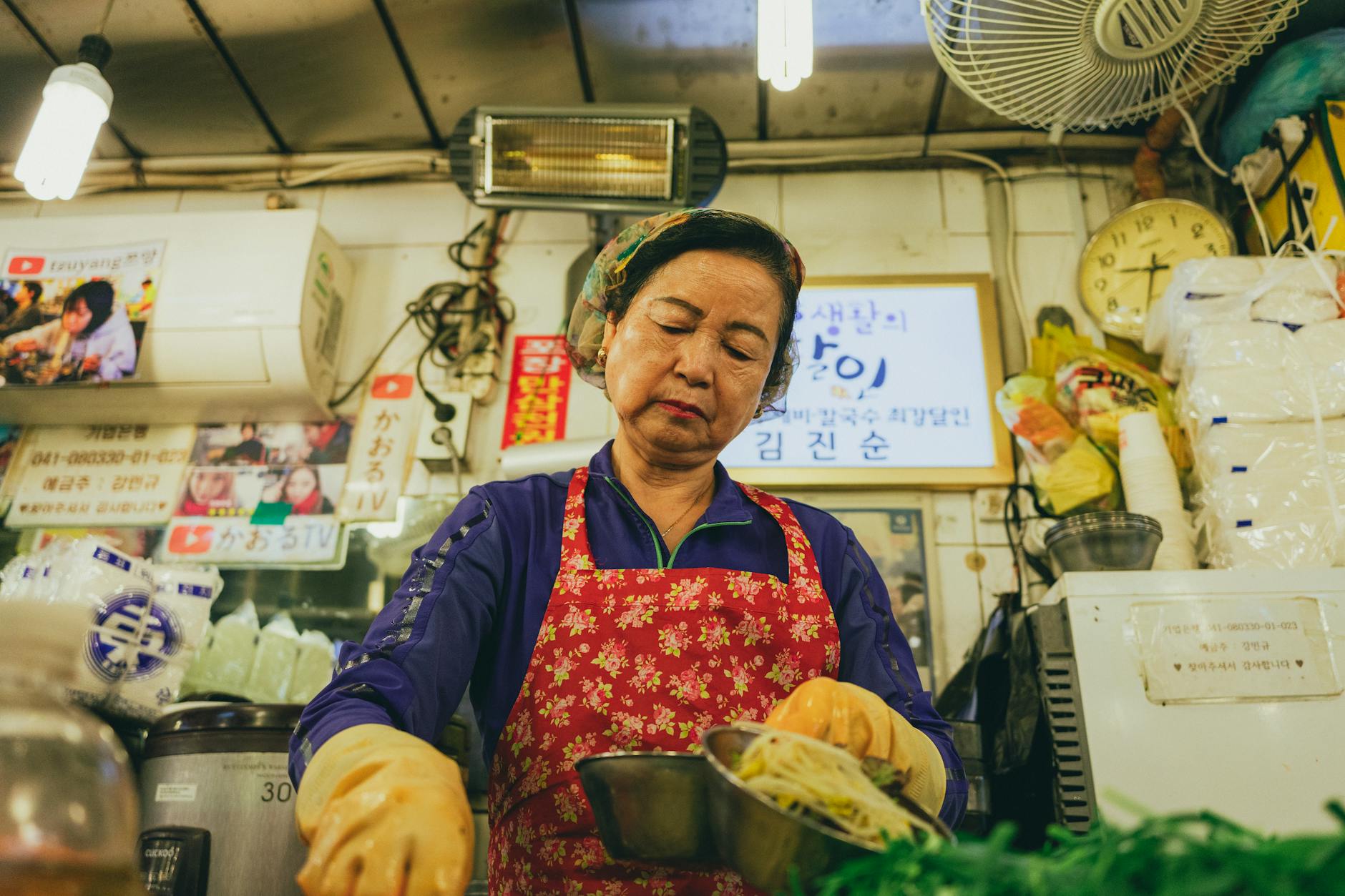
Housing and healthcare: a world of contracts and registration
Lodging turns into a world of contracts, special clauses, and maintenance fees. Jeonse is a uniquely Korean system where you deposit a large sum, live for the contract term, and get it back at the end, while monthly rent (wolse) often adds a separate maintenance fee for shared electricity, cleaning, and heating. When viewing a place, always ask the average maintenance fee, the heating type (individual or central), and whether water and internet are included. Foreigners staying more than six months may be required to enroll in National Health Insurance, and you need your residence card for a bank account, phone activation, and a lease.
In short: Long-term life succeeds or fails on adapting to systems, not on sightseeing. Getting your residence card, managing your address and visa deadlines, knowing the 1345, 120, and 1330 lines, and understanding jeonse, maintenance fees, and health insurance are what the first three months are really about.