As a student in Korea you often need to furnish a room cheaply with things like a desk, wardrobe, or microwave, or sell them off before heading home. Korea's secondhand market is very active, and using the right apps and communities can cut your costs dramatically. Here is how the three main platforms, Danggeun Market, Bunjang, and Junggonara, compare, along with tips for trading safely.
Danggeun Market — local face-to-face deals
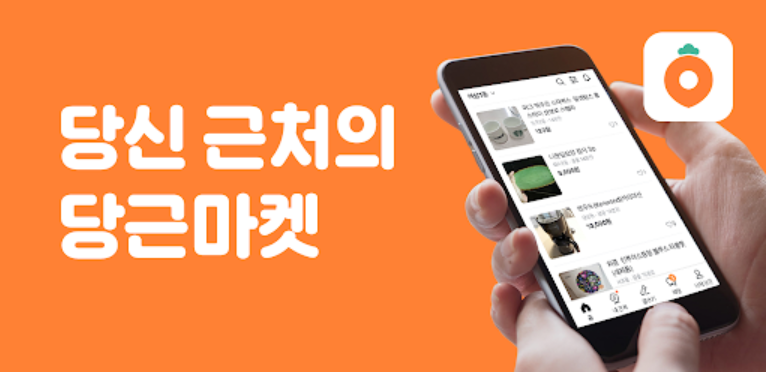
This location-based service only shows listings within a few kilometers of where you live, making in-person meetups easy. There is no need to pack for shipping and little risk of returns, so it is great for bulky items like appliances and furniture. English support is limited, but the interface is intuitive enough to manage with basic Korean or a translation app. The downside is that the local-only radius makes rare, nationwide items hard to find.
Bunjang — nationwide shipping deals
Bunjang is a nationwide platform with rich categories spanning fashion, electronics, beauty, books, and sports gear. Its search is strong and the user base is large, so you can find an item, chat with the seller, or pay through its built-in Bunjangpay. The Bunjangpay escrow in particular holds your payment until the transaction completes properly, which helps prevent fraud. Since shipping cost and time are involved, it suits items you are not in a rush for.
Junggonara — the large veteran community
Started as a Naver Cafe, Junggonara is a huge secondhand community with a large membership and high trading volume, making it good for rare items and older electronics. However, it works like a forum where you search boards and communicate by message or comment, which is clunkier than the app-based services, and since most deals are person-to-person shipping, you really need to know how to avoid scams.
Safe trading and escrow
Escrow means a third party, the platform, holds the buyer's payment until the item arrives safely and the buyer confirms receipt, then releases it to the seller. Bunjang provides escrow through its own payment system, while cafe-style platforms like Junggonara can use an external escrow service.
- Be suspicious of any "transfer the money first" request, and ask for escrow whenever possible.
- Search the seller's name, phone number, and account for any past fraud reports.
- Deal with well-reviewed sellers, and meet in a busy public place for in-person trades.
In short: Use Danggeun for bulky local pickups, Bunjang with its escrow for a wide range of shipped goods, and Junggonara for rare or older items. Whatever the platform, avoiding upfront transfers and using escrow or safe-trade features is the key to not getting scammed.